
Winner Blast: Wood Block Review — A Fake Cash Game That Wastes No Time Misleading You
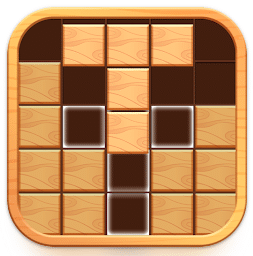 Welcome to my Winner Blast: Wood Block Review!
Block puzzle games have been around long enough to earn genuine trust. The mechanic is familiar, satisfying, and enjoyable when done well.
Drag blocks onto a board, complete lines and columns, and clear the space. Think Tetris with a wooden aesthetic and a relaxed pace.
Winner Blast: Wood Block, made by Tamoloma Sutleomca, uses that trusted format but adds a fake cash system. The puzzle is real, but the money is not. Since 10,000 people have already been misled, it’s important to explain how this game works.
Want to Get Paid for Playing Games on Your Phone?
I tested and compared the best reward apps and sites, so you don't waste time on the fake ones. See which ones actually pay, how low the cash-out minimums go, and which offers are worth your time.
- ✅ Low cash-outs, some from just $1
- ✅ PayPal, gift cards and more
- ✅ Games, surveys and simple tasks
- ✅ Honest tips to avoid tracking problems
Earnings aren't guaranteed and results vary. Treat it as a bonus for time you already spend on your phone.
How the Game Plays
The core mechanic is straightforward. You drag wooden block shapes onto a grid, filling complete rows or columns to eliminate them and clear space for more. It’s clean, intuitive, and requires just enough spatial thinking to feel engaging.
The gameplay itself isn’t the problem. The real issue is everything the developers have added on top of it.
Ten Cents After Level One — A Hook Disguised as Generosity
Complete the very first level, and Winner Blast immediately prompts you to cash out. Your reward? Ten cents, with a request to enter your account details and withdraw right now.
Ten cents sounds harmless and almost believable—small enough to seem real and immediate enough to feel genuine. But stop and think about what’s really happened so far.
You haven’t watched a single advertisement. You haven’t generated any revenue for the developer whatsoever. You’ve spent perhaps two minutes placing blocks on a grid, and the app is already asking for your personal payment details in exchange for money it has absolutely no reason to give you.
No ad revenue has been earned. No affiliate commission has been made. Nothing valuable has changed hands. The ten cents isn’t a reward—it’s a data-collection trick in disguise. Giving your PayPal or bank details to a developer who hasn’t earned anything from you yet is risky and offers no benefit.
Level Six and the Cash Symbol Trap
If you keep playing past that initial prompt, the rewards escalate dramatically. Cash symbols appear on certain blocks, and eliminating them triggers substantial payouts — sometimes over $20 in a single move. Tap the Claim button to collect, and a video advertisement plays before the reward lands in your balance.
That’s the real business model, clear as day.
Every cash symbol triggers an ad. Every time you press Claim, Tamoloma Sutleomca earns money. The $20 shown on screen isn’t real money—it’s just there to make tapping the button feel worth it. Your time is being monetized, but the reward you see is fake.
To access withdrawal, the game sets a new condition: complete level six. Sounds manageable — only five levels away. Except that level six isn’t a single stage.
The Sub-Level Trap
Here’s the tactic that separates moderately deceptive fake cash games from genuinely manipulative ones.
Level six actually has multiple sub-levels. What looked like one step from cashing out turns into many steps, each needing more time, more ads, and more patience. The goalposts aren’t just moved—they’re multiplied. You thought you were close, but the finish line is much farther than you expected.
This is on purpose. Each sub-level adds more ads, more revenue, and more time spent by players who feel too invested to quit. The longer requirement isn’t about gameplay—it’s a money-making strategy hiding as game design.
Even If You Complete Level Six
Let’s be clear about what happens at the finish line, because it’s important.
The money never arrives. Instead, new requirements pop up, withdrawals stay pending forever, or requests get ignored. Winner Blast has no proven payment history, no verified user stories confirming payouts, and no real way to pay the amounts it shows.
The ad revenue from a typical play session—just a few cents per video—doesn’t match the dollar amounts shown in your balance. The huge gap between what the developer earns and what the app says it owes you exists because the balance was never a real promise of money.
The 10,000 People Already Inside This Trap
Winner Blast has about 10,000 installs. That means 10,000 people saw the Play Store listing, downloaded the app, and started playing expecting real money. Some gave their account details at the first prompt. Others kept playing through sub-levels, chasing a level-six cashout that never happened. All of them created ad revenue for a developer who never planned to share it.
The install count is small compared to apps like SunnyReels or Fizz TV, but the pattern is the same and the outcome for every user is identical no matter the size.
Final Verdict
Winner Blast: Wood Block is a decent block puzzle game built on a completely dishonest reward system. The gameplay works, the cash symbols are placed to boost ad views, and the sub-level setup is made to keep you playing longer than the stated goals.
The ten-cent prompt at the start is a data grab. The $20 cash rewards just trigger ads. The level six goal keeps changing. And the withdrawal waiting at the end will never come.
Uninstall it. If you like block puzzle games, there are plenty of honest ones that don’t make false promises about paying you. And if you want to earn real money through mobile games, there are legit reward platforms—but none will promise you $20 just for clearing a wooden block.
Rating: 0 out of 5 – A familiar format used for a familiar trick. Ten thousand people misled and counting.
Want to Get Paid for Playing Games on Your Phone?
I tested and compared the best reward apps and sites, so you don't waste time on the fake ones. See which ones actually pay, how low the cash-out minimums go, and which offers are worth your time.
- ✅ Low cash-outs, some from just $1
- ✅ PayPal, gift cards and more
- ✅ Games, surveys and simple tasks
- ✅ Honest tips to avoid tracking problems
Earnings aren't guaranteed and results vary. Treat it as a bonus for time you already spend on your phone.