
Sorted Water Review – The Fake “Job Replacement” Game Preying on the Desperate
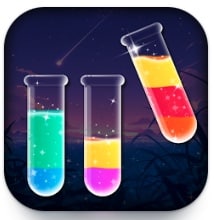 Welcome to my Sorted Water review!
You might have already seen the ads for Sorted Water, the new “money-making” puzzle app developed by IRED TECHNOLOGIES from China.
It’s been installed more than 500,000 times, which is no surprise given how aggressively it’s being advertised. The game claims that players can “cash out real money instantly” and that it’s “perfect for people who haven’t found a job yet.”
That statement alone tells you everything you need to know about how unethical this app is. It deliberately targets vulnerable people who are struggling financially — offering false hope of easy income through a free mobile game.
Want to Get Paid for Playing Games on Your Phone?
I tested and compared the best reward apps and sites, so you don't waste time on the fake ones. See which ones actually pay, how low the cash-out minimums go, and which offers are worth your time.
- ✅ Low cash-outs, some from just $1
- ✅ PayPal, gift cards and more
- ✅ Games, surveys and simple tasks
- ✅ Honest tips to avoid tracking problems
Earnings aren't guaranteed and results vary. Treat it as a bonus for time you already spend on your phone.
What’s worse, these ads show screenshots of PayPal accounts with over £4,000 in balance, as if ordinary players are making that kind of money by pouring colored water into virtual bottles. It’s disgusting and deeply misleading.
Let’s break down exactly how Sorted Water works, why it’s fake, and how these developers are getting rich off people’s desperation.
👉 Don’t waste hours on fake games and reward apps that don’t deliver!
Start earning real cash and gift cards today—tap to discover the 10 highest-paying reward apps of 2025!
The Game Itself – Another Clone With a Cash Twist
At its core, Sorted Water is a simple water-sorting puzzle — one of the most common mobile game templates out there.
The mechanics are straightforward: tap one bottle to pour colored liquid into another, and keep matching until each tube contains only one color.
It’s mildly satisfying and harmless on its own, but IRED TECHNOLOGIES decided to wrap it in a fake “cash reward” system to make it addictive.
When you first open the game, a big congratulatory screen appears. You haven’t even played yet, and you’re already rewarded with £0.79.
You feel good — maybe this really does pay. Then you complete the first level, and suddenly you’re told you’ve earned £150.
At that point, most players are convinced this could be real. The game encourages you to tap the Claim button, which adds the money to your fake balance.
It all feels fast, easy, and exciting — until you try to withdraw.
The Withdraw Trap
Once you’ve accumulated a few hundred pounds in fake winnings, the game starts urging you to “collect your reward.” You tap the cash balance icon, which takes you to a withdrawal screen. There’s a list of payout options — £500, £1,000, even £2,000 — and a shiny PayPal logo next to each one.
It looks professional, almost convincing, but here’s the classic twist: the minimum withdrawal is £500.
This is one of the most common traps in fake money games. The idea is to make you believe the goal is achievable, so you’ll keep playing to “fill the bar” or reach the threshold. You’re already halfway there, so why stop? That’s how they hook you.
But every tap, every “double reward,” and every “claim” button has one purpose — to make you watch more video ads.
How the Developer Really Makes Money
Like most fake cash games, Sorted Water is built entirely around advertisements. The fake rewards, the flashing claim buttons, and the endless “double your earnings” offers are all triggers to make you watch ads voluntarily.
After every round, you get a new “cash prize.” You’re given two buttons — one that says Claim and another that says Claim 2x. Naturally, everyone taps the 2x option. Who wouldn’t want to double their rewards? But the moment you do, the app plays a 30-second video ad.
Each ad earns IRED TECHNOLOGIES real revenue from ad networks. Multiply that by thousands of players doing it hundreds of times a day, and the company makes a fortune. Meanwhile, you earn nothing but frustration.
As you continue playing, the game starts reducing your fake rewards. The £150 you earned in level 2 becomes £5 by level 10, then £0.20, and eventually just pennies. You’re still watching the same number of ads, though — so the developer’s profit keeps increasing while your progress slows to a crawl.
It’s a psychological loop designed to keep you hooked. You always feel “just a little away” from cashing out, even though there’s no real payout waiting.
The Bait-and-Switch
The biggest lie comes when you finally reach the £500 mark and try to cash out. You tap the “Redeem” button, and the app tells you that your transfer is being processed. A loading animation appears with a message like:
“Your transfer will be completed soon. Please continue to play and complete additional tasks during this time.”
Those “additional tasks” are just more ads. Sometimes it says you must “watch 10 videos in 24 hours” or “complete 3 more levels.” These tasks are there purely to squeeze more ad revenue out of you before you realize the truth — there is no payment. No matter what you do, your withdrawal never completes.
This tactic — known as bait-and-switch — is the foundation of the fake cash app industry. The bait is the promise of easy money; the switch is endless ad-watching with no reward.
The Exploitation of Vulnerable Players
What makes Sorted Water particularly disturbing is its predatory advertising strategy. By claiming the game is “perfect for people who haven’t found a job,” it’s preying on people who are already struggling financially. These players are looking for genuine opportunities, not cheap distractions that waste their time and data.
The ads create false hope and emotional manipulation — showing fake PayPal balances of £4,000, testimonials from “players” who supposedly quit their jobs, and happy people thanking the developer for changing their lives. None of it is real. These are scripted ads, often reused across multiple fake games.
To make matters worse, these ads often run inside other fake cash games, forming an entire ecosystem of deceit. Because they circulate within their own network, they often bypass Google’s moderation systems. This allows developers to operate “under the radar” while continuing to rake in ad revenue.
The Hidden Costs
Besides wasting time, these games can also waste your data and battery life. Constantly streaming ads drains your device and consumes mobile data. More importantly, when the game asks for your PayPal email or Cash App ID during withdrawal, it puts your personal information at risk.
There’s no encryption, no verification, and no privacy guarantee. You have no way of knowing what happens to that data or where it’s stored. Developers from overseas can easily sell user information to third-party advertisers or data brokers. Sharing your financial details with apps like this is never safe.
Why Someone Needs to Step In
Astonishingly, a game like Sorted Water has half a million downloads despite such blatant deception.
These apps thrive because there’s no real accountability. Developers can make any claim they want in their ads, and since most users report them only after being misled, the damage is already done.
By the time complaints pile up, the developers have already made their money from ads and launch a new clone under a different name.
Final Thoughts
Sorted Water by IRED TECHNOLOGIES is not a job, not a side hustle, and certainly not a way to make real money.
It’s a fake cash game that manipulates players into watching ads under the illusion of earning. The developers profit from your time and attention while giving you absolutely nothing in return.
The £150 rewards, the £500 withdrawal threshold, the PayPal icons — all fake. There’s no real payout, no accountability, and no honesty in this app’s design.
If you’ve already installed it, uninstall it immediately. Don’t waste your time, data, or hope. These games exist only to exploit the most vulnerable players and make their creators richer through deception.
Verdict: 100% fake!
Want to Get Paid for Playing Games on Your Phone?
I tested and compared the best reward apps and sites, so you don't waste time on the fake ones. See which ones actually pay, how low the cash-out minimums go, and which offers are worth your time.
- ✅ Low cash-outs, some from just $1
- ✅ PayPal, gift cards and more
- ✅ Games, surveys and simple tasks
- ✅ Honest tips to avoid tracking problems
Earnings aren't guaranteed and results vary. Treat it as a bonus for time you already spend on your phone.
I agree with you on this. The game is fake. You’ll get the required amount at the point of withdrawal, they bring out another criteria and keeps wearing you with criteria that you cant cash out. 100% Fak.