
PicSolitaire: Jigsaw Art Review – When Puzzle Games Turn Into Traps
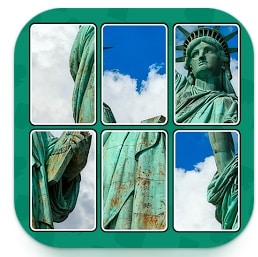 Welcome to my PicSolitaire: Jigsaw Art Review!
Let me show you PicSolitaire: Jigsaw Art — a game that perfectly illustrates how fake cash apps are evolving.
Unfortunately, they’re not getting better or more honest. They’re just getting more sophisticated in their deception.
At first glance, PicSolitaire looks harmless enough. It presents itself as a simple puzzle game in early access on the Play Store, developed by MiBrains Dev, and has around 10,000 installs so far.
Want to Get Paid for Playing Games on Your Phone?
I tested and compared the best reward apps and sites, so you don't waste time on the fake ones. See which ones actually pay, how low the cash-out minimums go, and which offers are worth your time.
- ✅ Low cash-outs, some from just $1
- ✅ PayPal, gift cards and more
- ✅ Games, surveys and simple tasks
- ✅ Honest tips to avoid tracking problems
Earnings aren't guaranteed and results vary. Treat it as a bonus for time you already spend on your phone.
But here’s what should immediately catch your attention: no reviews, no feedback, no public accountability whatsoever.
When an app claims it pays real money but has zero user reviews, you’re being asked to trust marketing screenshots and promotional promises instead of actual user experiences.
That’s a massive red flag that should stop you from downloading right away.
Unfortunately, the problems don’t stop there.
The Advertisement: A Familiar Lie in a New Wrapper
The promotional material for PicSolitaire follows a script I’ve seen thousands of times in the fake-reward game industry.
Picture this: a shocked woman staring at her laptop screen. Huge weekly earnings displayed prominently for everyone to see:
- Week 1: £1,248
- Week 2: £4,809
- Week 3: £12,500
Then comes the magic formula that supposedly makes it all possible: “Just download PicSolitaire.”
The promises are laid out clearly: The promises are laid out clearly: no ads, no purchases required, no inviting friends, and no withdrawal limits to worry about.
And then, for good measure, they add the most absurd promise of all: Play for just one hour and earn £100.
Now, that single claim alone completely destroys any credibility the app might have had.
Here’s the reality: no ad-funded mobile game can pay users £100 per hour. Not even remotely close.
Advertisers don’t pay developers that much; developers don’t earn anywhere near that amount per user; and absolutely no sustainable business model supports those numbers.
This isn’t just optimistic marketing. It’s a complete fantasy designed to hook desperate people.
The Reality: A Basic Puzzle With a Fake Wallet
Once you actually launch the game, the truth becomes obvious pretty quickly.
PicSolitaire is just a basic jigsaw-style puzzle game. You tap pieces on the screen, drag them into place, and slowly complete an image.
There’s absolutely nothing special here — no innovation, no competitive elements, no unique features. Just a simple, forgettable distraction.
Then something interesting happens. You finish your first puzzle.
A congratulatory message appears on screen, inviting you to tap a gift box. Inside? £100. Credited instantly to your account.
No explanation provided. No clear source identified. Just money magically appearing out of thin air.
That moment is carefully designed to hook you psychologically. Your brain naturally starts filling in the gaps: If this is actually real, I’ve just struck gold. This could change everything. But of course, the numbers don’t add up, and they never will.
The Illusion of Progress
Complete another puzzle, and you’ll receive more “cash” — maybe £3.66 this time. The app continues framing it as real money you’re earning. Then it sweetens the deal with a multiplier option.
Tap “x6” to multiply your reward by six times.
Of course, that button doesn’t actually multiply anything. Instead, it plays a video advertisement.
That’s the real transaction happening here.
Every single time you tap “claim,” “open,” or “multiply,” an advertisement plays automatically.
The developer earns a few cents from that ad view. Meanwhile, you receive nothing but fictional numbers displayed on a screen.
Over time, the pattern becomes absolutely impossible to ignore. The puzzles exist solely to justify showing ads. The money exists to justify completing puzzles. The ads exist to generate actual revenue for the developer.
And you? You exist to watch them, over and over again.
The Cash-Out Trap
Eventually, curiosity kicks in. You tap the cash balance to see how withdrawals work.
That’s when reality hits.
The minimum withdrawal is £500. Not £5. Not £10. £500.
There’s even a field for your payment account details, making it look official. This is where things get dangerous.
Once an app that has already lied about earnings asks for personal information — names, emails, payment IDs — the risk escalates beyond wasted time.
These developers have shown they’re willing to deceive. That means they cannot be trusted with your data.
The Privacy Risk Nobody Talks About
Entering your details here is not harmless.
At best, your information gets sold to marketing lists. At worst, it can be used for phishing attempts, fake payment notifications, or impersonation scams.
Think about it: If a developer lies about paying money, why would they suddenly become ethical when handling your personal data?
They wouldn’t.
This is why entering account details into fake cash apps isn’t just pointless — it’s risky. Learn how to protect yourself here!
Diminishing Rewards: The Invisible Wall
Even if you ignore the privacy risk and keep playing, another problem emerges.
The closer you get to £500, the smaller your rewards become.
Early payouts look generous. Later ones shrink dramatically. Eventually, you’re earning tiny fractions of what you started with. This isn’t accidental — it’s a deliberate tactic called diminishing rewards.
The game needs to keep you engaged without letting you reach the finish line. So it slows your progress just enough to keep hope alive while making success practically impossible.
You may never reach £500. And even if you do, there’s no evidence the money will ever arrive.
No Reviews, No Accountability
Because PicSolitaire is in early access, there are no public reviews. That’s incredibly convenient for the developer.
There are no complaints visible, no warnings from other users, and no record of failed withdrawals.
All you have is marketing material and fake balances.
That silence isn’t neutral — it’s dangerous. Early access here doesn’t mean “new and exciting.” It means untested and unverified, creating the perfect environment for deceptive reward systems.
The Business Model Is Obvious
Let’s be clear about how PicSolitaire actually makes money.
It doesn’t make money by paying players or offering value.
It makes money by showing video ads, keeping players engaged, using fake cash to extend playtime, and collecting personal data.
Paying users would destroy this model. Not paying users keeps it profitable.
That’s why these games always end the same way: endless ads, shrinking rewards, and unreachable withdrawals.
Final Verdict
PicSolitaire: Jigsaw Art is not a legitimate way to earn money.
The weekly earnings in ads are fake. The £100-per-hour claim is absurd. The £500 withdrawal is a trap. The cash balance is fictional.
What looks like a puzzle game is actually a time-extraction machine, designed to convert your attention into ad revenue while giving you nothing in return.
If you’ve installed PicSolitaire, uninstall it now.
This game doesn’t pay money. It only takes it in the form of your time, your attention, and potentially your data.
Want to Get Paid for Playing Games on Your Phone?
I tested and compared the best reward apps and sites, so you don't waste time on the fake ones. See which ones actually pay, how low the cash-out minimums go, and which offers are worth your time.
- ✅ Low cash-outs, some from just $1
- ✅ PayPal, gift cards and more
- ✅ Games, surveys and simple tasks
- ✅ Honest tips to avoid tracking problems
Earnings aren't guaranteed and results vary. Treat it as a bonus for time you already spend on your phone.