
Mahjong City Puzzle Review: Legit Rewards or a Slighter, Smarter Illusion?
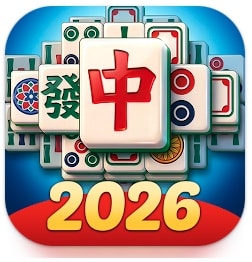 Welcome to my Mahjong City Puzzle review!
In this post, I’m taking a closer look at Mahjong City Puzzle, a free mobile game promoted as a money-making mahjong experience. Unlike many flashy apps that promise hundreds or thousands of pounds overnight, this one appears more grounded. The rewards look smaller. The language sounds calmer. The presentation feels more believable.
That subtle realism is exactly what makes it convincing.
Because while it looks more legitimate than the usual “get rich playing games” nonsense, the reality still points toward the same outcome: a system designed to keep you playing, watching ads, and chasing a payout that takes far longer than expected.
Want to Get Paid for Playing Games on Your Phone?
I tested and compared the best reward apps and sites, so you don't waste time on the fake ones. See which ones actually pay, how low the cash-out minimums go, and which offers are worth your time.
- ✅ Low cash-outs, some from just $1
- ✅ PayPal, gift cards and more
- ✅ Games, surveys and simple tasks
- ✅ Honest tips to avoid tracking problems
Earnings aren't guaranteed and results vary. Treat it as a bonus for time you already spend on your phone.
Let’s unpack what’s really going on.
How the game works
Mahjong City Puzzle is a classic tile-matching puzzle. You tap two identical tiles to remove them, clear the board, and complete each level. The gameplay is simple and relaxing, making it ideal for casual players.
As you play, the game rewards you with coins and diamonds. Completing a level increases your balance, reinforcing progress and encouraging you to continue.
So far, nothing unusual. Many casual games use similar reward loops.
However, the app’s messaging pushes the idea that these coins represent real value.
“Dividends” — the language of legitimacy
Instead of calling rewards points, the game uses financial language. The app repeatedly refers to earnings as “dividends.”
That word choice is deliberate. It suggests investment returns rather than game points.
According to the in-game explanations:
- Eliminating tiles can generate dividends between 01 and 10 coins
- Clearing special blocks can yield 1 to 60 coin dividends
- 50 lucky players dailymay receive bonuses of 10 to 500 coins
- There is also a chance to win a grand prize
This framing creates the impression of a structured, legitimate reward system rather than a typical in-game bonus mechanic.
Yet the key question remains: how much are these coins actually worth?
The real exchange rate
When you check the withdrawal section, you discover:
- 500 coins = £1
- PayPal is the withdrawal method.
- Coins must be accumulated before exchange.
At first glance, £1 sounds realistic compared to apps promising £500 jackpots. That realism helps build trust.
However, reaching 500 coins takes significantly longer than the early rewards suggest.
The first few levels may deliver coins quickly, creating momentum. Over time, the pace slows, and accumulation becomes gradual.
The smaller reward claim doesn’t mean the payout is easier — it simply makes the illusion more believable.
Advertisements enter the picture
By level two, advertisements begin appearing. After completing a level and tapping to continue, video ads start showing regularly.
This shift reveals the true revenue model.
Developers earn money when players watch ads. The longer players stay engaged, the more ads they view. Meanwhile, players receive coins that feel valuable but translate into minimal real-world value.
The game remains free because your attention funds it.
Why this feels more legitimate than other fake cash games
Many fake cash games undermine credibility by offering outrageous sums, such as $500 per level. Mahjong City Puzzle takes a more subtle approach.
Instead of promising life-changing money, it suggests small, attainable rewards.
This approach feels reasonable and, therefore, trustworthy.
But a smaller payout doesn’t guarantee authenticity. In practice, it often means the system keeps players engaged longer while delivering minimal value.
Reaching £1 may require a surprising amount of playtime and ad viewing.
The psychology of “lucky winners”
The app claims that 50 lucky players receive coin bonuses daily and that grand prizes exist.
This introduces hope and randomness — powerful psychological motivators.
Even if most players never win these bonuses, the possibility encourages continued play. Without transparent winner announcements or verifiable proof, these claims function more as engagement tools than reliable earning opportunities.
Why reaching £1 still takes time
Early progress feels quick. Coins accumulate steadily. The payout threshold looks reasonable.
Over time, however, the rate slows. Coin drops shrink. Ads appear more often. Progress feels incremental rather than steady.
This shift extends engagement and increases ad exposure while maintaining the illusion of attainable rewards.
For many players, reaching 500 coins may take far longer than expected.
The ad-revenue reality
Advertising generates only fractions of a penny per view. Even with thousands of players, revenue per user remains small.
That financial reality limits how much developers can realistically pay out.
While small rewards may be distributed occasionally, consistent earnings at meaningful levels would be difficult to sustain.
This makes the “dividend” framing feel more like marketing language than a reflection of real payouts.
My experience testing similar games
After testing hundreds of reward apps, a clear pattern emerges. Games funded by ads sometimes allow tiny payouts. However, once thresholds reach £1 or more, earnings become slow and uncertain.
Larger rewards often depend on luck, promotions, or extended engagement rather than consistent earnings.
Mahjong City Puzzle closely fits this pattern.
Should you play Mahjong City Puzzle?
If you enjoy mahjong and want a relaxing puzzle game, it works fine as entertainment.
If your goal is earning real money, expectations should remain grounded. The reward system looks more legitimate than most fake cash games, but reaching even £1 requires considerable time and ad exposure.
That doesn’t necessarily mean nobody ever receives payouts. It does mean the system prioritizes engagement and advertising revenue over meaningful earnings.
Final verdict
Mahjong City Puzzle tries to appear more trustworthy by offering modest rewards instead of outrageous payouts, but the underlying mechanics follow the same engagement-first formula seen in many ad-driven reward games.
After testing and analysing how the system works, I do not believe this game genuinely pays players in any reliable or meaningful way. The slow accumulation, constant ads, and vague “lucky winner” promises point toward a model designed to keep you watching adverts rather than earning money.
For that reason, I don’t recommend this game if your goal is to make real cash. Play it only for entertainment — and if you installed it hoping to earn, you’re better off saving your time and uninstalling.
Want to Get Paid for Playing Games on Your Phone?
I tested and compared the best reward apps and sites, so you don't waste time on the fake ones. See which ones actually pay, how low the cash-out minimums go, and which offers are worth your time.
- ✅ Low cash-outs, some from just $1
- ✅ PayPal, gift cards and more
- ✅ Games, surveys and simple tasks
- ✅ Honest tips to avoid tracking problems
Earnings aren't guaranteed and results vary. Treat it as a bonus for time you already spend on your phone.