
Lucky Bamboo Bingo Review – Are the Cash Rewards Real or Just Bait?
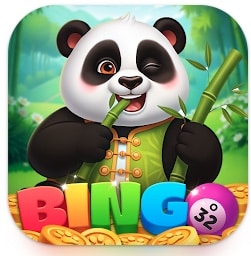 Welcome to my Lucky Bamboo Bingo review!
If you’ve ever downloaded one of these “free bingo cash” games, you already know the script. The ads make it look effortless: tap a few numbers, hit Bingo, and real money magically stacks up in your balance like a second paycheck.
Lucky Bamboo Bingo leans into that fantasy hard.
It’s developed by CLICK TAP TECHNOLOGIES, LLC, has 100,000+ installs, and it’s still in Early Access—which matters, because Early Access is where a lot of these apps hide while they run the same cash-bait experiment on as many people as possible.
Want to Get Paid for Playing Games on Your Phone?
I tested and compared the best reward apps and sites, so you don't waste time on the fake ones. See which ones actually pay, how low the cash-out minimums go, and which offers are worth your time.
- ✅ Low cash-outs, some from just $1
- ✅ PayPal, gift cards and more
- ✅ Games, surveys and simple tasks
- ✅ Honest tips to avoid tracking problems
Earnings aren't guaranteed and results vary. Treat it as a bonus for time you already spend on your phone.
And if you’re here, you’re probably wondering the same thing everyone is:
Is Lucky Bamboo Bingo legit… or is it fake?
It’s fake. Completely. And once you understand the mechanics, you’ll see it isn’t even trying to be a fair game—it’s an ad trap wearing a bingo mask.
Let me explain exactly how it works, why the “cash” is fictional, and how it keeps you playing long after the payout becomes impossible.
What is Lucky Bamboo Bingo?
On the surface, Lucky Bamboo Bingo is a free bingo game with a cute theme: bamboo, treasure chests, and a little panda that moves around the scorecard collecting rewards.
You play bingo rounds by tapping numbers as they appear. Clear numbers, progress the board, and aim for bingo lines like any other casual bingo app.
But Lucky Bamboo Bingo isn’t selling you bingo. It’s selling you money.
The game constantly shows:
- a cash balancethat climbs quickly,
- coinsas a second currency,
- treasure chests that “contain cash prizes,”
- and a reward system that makes you feel like you’re doing something profitable every time you tap.
That’s the hook: it never lets you just play. It makes every action look like earnings.
The “moving panda” reward loop (why it feels so addictive)
The panda is not there because it’s cute.
It’s there because it turns bingo into a reward conveyor belt.
Here’s the basic loop:
- You tap numbers on the bingo card.
- Clearing a number opens a space.
- The panda “moves” through those spaces.
- As it moves, it collects bamboo and triggers treasure chests.
- Treasure chests “drop” cash rewards and coins.
- Your balances go up, and the game celebrates like you’re winning something real.
This is deliberate.
It creates constant little “wins,” even when you’re not actually winning bingo. You feel progress every minute, and that keeps you engaged long enough to do what the app really wants…
…which is to show you ads.
The fake money shows up fast (because it has to)
Lucky Bamboo Bingo starts off generous—very generous.
That’s always a red flag.
In real reward apps and legitimate GPT platforms, earnings are slow and boring because they’re tied to real advertiser budgets. In fake cash games, earnings explode early because the numbers cost the developer nothing.
So the game showers you with cash and coins to build belief.
And once you believe, you keep playing.
The £80 cash-out requirement: the moment the illusion breaks
Now we get to the part that matters: withdrawal.
Lucky Bamboo Bingo reportedly won’t let you withdraw until you reach £80.
That’s an absurd cash-out threshold for a free, ad-funded bingo game.
Think about it like a business for two seconds:
- This is a free app.
- The developer’s income comes from ads.
- Mobile ads don’t pay anywhere near enough per user to fund £80 payouts to large numbers of players.
So the £80 “minimum withdrawal” isn’t a real payout threshold. It’s a delay mechanism.
It’s designed to keep you playing long enough to:
- watch hundreds (or thousands) of ads,
- stay hooked on progress,
- and never reach the moment where the app has to actually pay.
It’s the exact same structure as the other fake cash games:
“Just a bit more… keep going… you’re close…”
Except you’re not close. You’re being managed.
The 3 million coin requirement for “£800” is even worse
Then there’s the second currency trap: coins.
Lucky Bamboo Bingo reportedly claims you need 3,000,000 coins to withdraw £800.
That is pure fantasy.
And it’s actually even more manipulative than the £80 target, because it plants a bigger dream in your head.
You’re not just chasing a small reward anymore. You’re chasing a “big one.” The kind of number that makes people say, “If I keep playing for a few weeks, maybe I can actually get it.”
But the coin ladder is designed to be mathematically unreachable for normal play.
Why? Because the developer doesn’t want a few people hitting £800 and posting screenshots. That would be catastrophic for the business model.
So they make it functionally impossible.
The ad trap: why the “claim reward” button exists
At first, the game feels like it’s constantly paying you.
Then you start noticing the pattern:
- Tap to claim bamboo → ad
- Open treasure chest → ad
- Multiply rewards → ad
- “Bonus round” → ad
- “Get extra cash” → ad
Eventually, the reward buttons you’re tapping are basically just ad triggers.
And that’s the real product: your attention.
The developer earns money every time an ad plays. That’s real income.
Your cash balance is not real income. It’s a number on a screen designed to keep you watching.
So the exchange is simple:
- They get paid in real money
- You get paid in imaginary money
That’s why I call these games ad traps. Because the transaction is one-sided.
Diminishing rewards: the slow squeeze
Once you’ve been playing long enough to feel invested, the game typically tightens the faucet.
This is another classic tactic: diminishing rewards.
- Early on, cash jumps quickly.
- Later, rewards shrink.
- Then they shrink again.
- And you start noticing you need more games, more bingos, more taps, more ads… for less progress.
It’s not random. It’s engineered.
The app wants you stuck in a long grind where you’re emotionally committed (“I’ve already earned so much, I can’t stop now”), but the system is tuned to prevent you from ever hitting withdrawal.
Early Access: why that matters
Being in Early Access gives these apps a lot of cover.
Players are more forgiving of bugs. Reviews are often less decisive. The developer can change requirements, tweak payouts, and adjust the system without the same level of scrutiny.
And for a “cash game,” Early Access is a convenient place to run a bait-and-switch model without facing immediate backlash.
It doesn’t mean every Early Access app is bad.
But when an Early Access bingo game is promising big cash and locking withdrawals behind unrealistic thresholds, it’s not “early.” It’s just unfinished in the one place that matters: paying users.
The bottom line: Lucky Bamboo Bingo is not a money game
Lucky Bamboo Bingo is a standard bingo app wrapped in a fake cash reward system.
The cute panda, the bamboo collecting, the treasure chests, the cash and coin balances—none of it is there to pay you. It’s there to keep you tapping, progressing, and watching ads.
The £80 cash-out threshold is unrealistic. The 3 million coin target for £800 is a fantasy. The claim buttons eventually become ad buttons. Rewards diminish. And the developer makes real money while you chase numbers you will never withdraw.
So if you installed Lucky Bamboo Bingo, hoping it would pay you:
Avoid it. Uninstall it.
There are plenty of bingo games that are honest about being just games. And there are reward platforms that pay small amounts for real tasks. But this “cash bingo” hybrid—this one is designed to waste your time.
Shame on the developers for pushing the same fake promise that keeps tricking people into watching ads for nothing.
Want to Get Paid for Playing Games on Your Phone?
I tested and compared the best reward apps and sites, so you don't waste time on the fake ones. See which ones actually pay, how low the cash-out minimums go, and which offers are worth your time.
- ✅ Low cash-outs, some from just $1
- ✅ PayPal, gift cards and more
- ✅ Games, surveys and simple tasks
- ✅ Honest tips to avoid tracking problems
Earnings aren't guaranteed and results vary. Treat it as a bonus for time you already spend on your phone.