
My Drink Bar: Color Sort Review — Don’t Fall For This Fake Cash Trap
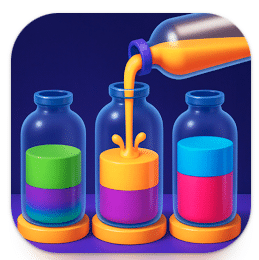 Welcome to my My Drink Bar: Color Sort Review!
There’s a pattern that keeps showing up on the Play Store, and it’s getting harder to ignore. A simple casual game appears out of nowhere, promises real money, showers you with rewards in the first five minutes, and racks up thousands of downloads before most people realise what’s actually happening.
My Drink Bar: Color Sort by Space Kraft Media is one of those games.
Before we continue this review, a quick heads-up: not all “reward apps” are created equal. Some are genuinely decent for a bit of extra money on the side, while others are basically ad farms designed to waste your time.
If you’d rather stick to platforms with a solid track record, here are the ones I actually recommend in 2026:
Alright — now let’s get back to the review and see what this app really does.
On the surface, it looks harmless — a basic colour-sorting puzzle where you tap to pour liquids into bottles until everything matches. Nothing groundbreaking.
The kind of game you’d forget about in twenty minutes. But the gameplay isn’t the point. It never was. The point is the promise of money, and that promise is plastered all over the screen from the moment you open the app.
“Clear levels to withdraw cash.” “Earn up to £2,000 or more.” “Officially verified real cash withdrawals.”
Sounds great, right? Let’s talk about why none of it holds up.
The First Red Flag Hits Immediately
Finish your very first level — something that takes under a minute — and the game rewards you with around £0.40. No ads watched. No real effort. Just… money, apparently.
Stop and think about that for a second. Where is that money actually coming from? If thousands of people install this game, play one level, and try to cash out, the developers would hemorrhage money instantly. No business model on earth works that way. That reward isn’t a payment — it’s a hook. It’s designed to make you feel like you’ve stumbled onto something real before you’ve had time to question it.
Then Comes the Data Grab
Right after that first “reward,” the game nudges you to withdraw. Sounds reasonable — except to do so, you need to hand over your name, email, phone number, and payment details like PayPal or Revolut.
Think about what’s being asked here. You’re giving personal information to an app that hasn’t proven it can pay a single person, with zero transparency, no verification, and no accountability. Even if the amount looks small, the data you’re handing over is not. That alone should be enough to close the app.
The Numbers Go Completely Absurd
If you keep playing anyway, the “earnings” start escalating fast. Level 2 pays around £0.60. Level 3 suddenly jumps to over £30. Somewhere along the way, the game introduces diamonds — and tells you each diamond is worth £1. Give you 50 diamonds, and suddenly your balance shows £50.
This is where the illusion stops being subtle. No ad-supported mobile game can sustain payouts like this. The math is impossible. These numbers exist for one reason only: to keep you playing long enough to watch more ads.
The Real Business Model
And there it is. Once you’ve been reeled in, every single reward gets locked behind an advertisement. Want to claim your balance? Watch an ad. Hit “Claim All”? Another ad. The game isn’t paying you anything — you’re paying them, with your attention, every single time.
That ad revenue goes straight to the developers. The number in your balance is just a number. It doesn’t represent real money, and it never will.
The Goalposts Keep Moving
Here’s the cruelest part of how these games work. Just as you think you’re getting close to a withdrawal, the rules change. Suddenly, you need a higher balance. Then you need to reach level 8. Then there’s another requirement.
The target is always just out of reach — and that’s completely intentional.
This is called a moving goalpost, and it’s one of the most effective psychological tricks in the fake reward app playbook. You’ve already invested time, so you keep going. And going. And the payout never comes.
This Isn’t a One-Off
Space Kraft Media isn’t operating in isolation. This is part of a broader trend of developers releasing near-identical apps — the same mechanics, the same fake reward system, the same promises — under different names and visuals. When one game gets flagged or loses momentum, another one is already live and collecting downloads. It’s a factory of deception, and it works because new users are always arriving who haven’t seen it before.
Will You Actually Get Paid?
The short answer: almost certainly not for any meaningful amount. There’s no credible evidence that games like this pay out the rewards they advertise.
In some cases, tiny amounts are paid to a small number of early users to generate positive reviews and create a veneer of legitimacy. But the hundreds or thousands of pounds shown on screen? Those are not real, and they are not coming.
What This Actually Costs You
Even if you never spend a penny, this game still takes something from you — your time. And that’s not a small thing.
Minutes turn into hours while you chase a payout that’s designed to stay just out of reach. Add to that the risk of handing over your personal data to an unverified platform, and the cost starts to feel a lot more serious.
The Bottom Line
My Drink Bar: Color Sort is not a game. It’s a machine built to harvest your attention and your data while keeping you chasing fake rewards.
The money on screen is not real. The withdrawal process is designed to frustrate and delay. And the people making real money from this app are the developers — not you.
Uninstall it. Don’t hand over your personal information. And if you’re genuinely looking for apps that pay, stick to platforms with a real track record — ones that offer modest, consistent earnings with transparent terms. They won’t promise you £2,000. But they’ll actually pay you.