
Eyeball Theft: How Scammers Turned Your Screen Time Into Their Payday
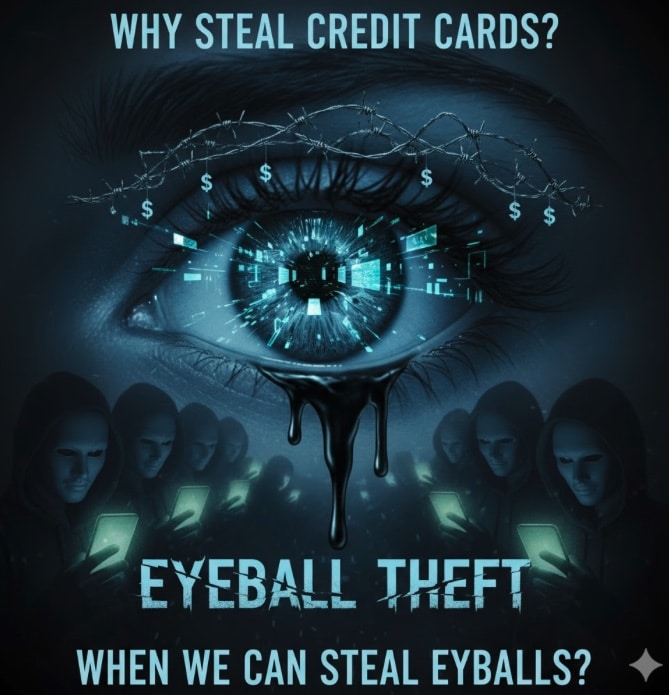 Attention Is the New Gold!
There was a time when scammers wanted one thing — your money.
They sent phishing emails, fake invoices, and “Nigerian prince” letters, all with a single goal: to make you open your wallet.
But the game has changed. In today’s digital world, scammers no longer need your direct payment to profit.
Want to Get Paid for Playing Games on Your Phone?
I tested and compared the best reward apps and sites, so you don't waste time on the fake ones. See which ones actually pay, how low the cash-out minimums go, and which offers are worth your time.
- ✅ Low cash-outs, some from just $1
- ✅ PayPal, gift cards and more
- ✅ Games, surveys and simple tasks
- ✅ Honest tips to avoid tracking problems
Earnings aren't guaranteed and results vary. Treat it as a bonus for time you already spend on your phone.
They’ve discovered something far more valuable — your attention.
Every second you spend watching a video ad, every tap on a fake cash game, every moment your device stays active — it’s money in someone else’s pocket.
And in this new attention-driven economy, your time is the product.
Welcome to the digital gold rush, where your focus —not your funds —fuels entire scam industries.
The Rise of the Attention Economy
We live in a world where attention equals revenue.
Platforms like YouTube, TikTok, and Instagram have built empires by monetizing every click, like, and view.
Advertisers pay billions for a slice of your focus.
Scammers watched this happen and thought, “Why steal credit cards when we can steal eyeballs?”
So they evolved. Instead of sending fake emails, they started making fake apps — “money-making” games, “easy job” platforms, and “investment” simulators that promise effortless rewards.
They no longer ask for your bank details. They ask for something more subtle: your time, your curiosity, and your hope.
Every minute you spend inside one of these apps watching ads or tapping buttons fills their wallets, not yours.
How the Scam Works – The Illusion of Earning
It usually starts with an ad — bright, exciting, and full of fake success stories.
“Earn $200 a day playing games!”
“Withdraw instantly via PayPal — no effort needed!”
“Perfect for people without jobs!”
They show screenshots of PayPal balances, actors claiming they made thousands, and exaggerated promises like “No ads, no top-ups, no risks.”
Of course, once you install the app, the story changes.
You launch the game and start earning fake money instantly — $10, $50, $200 flashing on your screen. You’re hooked.
You think you’ve discovered a hidden opportunity. But as you keep playing, the truth unfolds: every “Claim” button opens a video ad.
Those ads are where the developers make money.
They get paid a few cents every time you watch, and because you believe you’re progressing toward a payout, you don’t stop.
The illusion keeps you spinning, tapping, and watching — thinking your fake balance will eventually turn into real cash.
But it never does.
From Wallet Theft to Time Theft
In the old days, scams were risky for the scammer. They needed to trick you into transferring money or revealing banking details — actions that could be traced and reported.
Now, the risk is gone.
Instead of stealing directly, scammers simply monetize your behavior. They’ve learned from legitimate businesses how to exploit engagement. Every ad you watch generates real income. Every tap increases their stats. Every new player means higher ad bids from networks.
And since these apps technically don’t “steal” from you, they easily slip past Google Play’s moderation systems. They hide behind phrases like “for entertainment purposes only” or “in-app rewards.”
This shift from money theft to attention theft is one of the most profitable evolutions in modern cybercrime.
The False Hope That Keeps People Hooked
These scams prey on the most human of emotions — hope.
Hope that maybe this time it’s real.
Hope that maybe this one pays out.
Hope that maybe you can make a little extra cash to ease the bills.
That’s why fake cash apps use psychological manipulation to keep you playing. They start by giving you small, believable rewards. Some even pay a few cents through PayPal to “prove” legitimacy.
But then they move the goalposts:
- “Reach Level 10 to withdraw.”
- “Invite five friends to unlock payout.”
- “Watch 20 ads to verify your account.”
And each new condition earns them more ad revenue.
You think you’re grinding for cash. In reality, they’re grinding you — your time, patience, and data.
Data: The Second Goldmine
Time isn’t the only thing they’re after. These apps often collect far more data than they need. When you install them, they may request permissions like:
- Access to your storage.
- Access to your phone ID.
- Access to your location.
- Access to “read and write” system files.
That’s not normal for a puzzle or charging app.
The moment you allow those permissions, you’re handing over valuable digital information that can be used for ad targeting, tracking, or even sold to third parties.
Some apps even link users to suspicious WhatsApp or Telegram groups, posing as “job managers” or “cashout support.” Once inside, scammers can manipulate victims further — convincing them to send “verification fees” or “security deposits.”
What started as a harmless fake game can escalate into a serious financial scam.
Why These Scams Are So Effective
They work because they feel safe.
There’s no upfront payment, no obvious theft, and no immediate consequence.
They rely on trust and repetition. The more fake apps you encounter, the more “normal” they feel. The bright designs, familiar icons, and fake reviews create a sense of legitimacy.
And because they’re wrapped in entertainment — cute puzzles, merge games, slots, or sorting tasks — they don’t trigger your natural scam alarm.
But make no mistake: behind every smiling cartoon and “Congratulations!” screen, there’s a developer counting ad revenue generated by your screen time.
The Darker Side – When Ads Become Dangerous
Not all ads are harmless. Some of the video ads inside these fake apps contain malicious redirects or links to fraudulent websites.
You might see ads promoting “investment apps” or “crypto giveaways.” Others push fake “part-time job” platforms that promise daily income through messaging apps.
Once you click or join these external groups, you leave the relative safety of the Play Store. That’s when real financial scams begin — people get persuaded to send deposits, invest, or share private documents.
It’s a chain of manipulation that starts with a fake game and ends with real-world loss.
Why Skepticism Is Your Superpower
In a digital world overflowing with lies, skepticism is your best defense.
When something sounds too good to be true, it is. Always.
You can’t make $200 for charging your phone. You can’t earn £1,000 for matching tiles. And you certainly can’t find a real job through a WhatsApp chatbot asking for your bank details.
These promises are modern bait. And the hook is your attention.
The only way to protect yourself is to see through the illusion — to recognize when an app is designed to waste your time, harvest your data, or manipulate your behavior.
Building Your Digital Shield
Staying skeptical is essential, but you also need the right tools to defend yourself.
Every year, scammers become more sophisticated, using hidden trackers, data leaks, and deceptive ad networks to exploit unsuspecting users.
That’s why you need a digital shield — a combination of awareness and protection.
A VPN (Virtual Private Network) like NordVPN encrypts your connection, hides your real location, and prevents advertisers, trackers, or malicious networks from following your online activity.
Even if an app tries to send data without permission, your VPN scrambles that information before it leaves your device.
Meanwhile, a security tool like Malwarebytes scans your device for potentially harmful apps, adware, and malware.
It detects hidden background trackers and alerts you before they can compromise your data.
Together, they form a strong first line of defense against modern digital scams — especially those that hide behind harmless-looking games or apps.
The Takeaway – Guard Your Attention Like Your Bank Account
We’ve entered a new era of scams. Thieves no longer need to pick your pocket; they just need to keep you watching.
Your attention has become a tradable commodity — sold, analyzed, and monetized every second you’re online. And scammers are no longer chasing your money directly; they’re chasing your focus, because that’s where the real profit lies.
So the next time an app promises effortless income or instant payouts, stop and think:
- Who benefits when I open this app?
- Who gets paid when I watch this ad?
- What am I giving away without realizing it?
The truth is, your attention is worth far more than a fake £200 PayPal balance.
Protect it. Question everything.
And most importantly, shield yourself with strong digital protection — because in the age of data, your focus is the new gold, and someone out there is already mining it.
Want to Get Paid for Playing Games on Your Phone?
I tested and compared the best reward apps and sites, so you don't waste time on the fake ones. See which ones actually pay, how low the cash-out minimums go, and which offers are worth your time.
- ✅ Low cash-outs, some from just $1
- ✅ PayPal, gift cards and more
- ✅ Games, surveys and simple tasks
- ✅ Honest tips to avoid tracking problems
Earnings aren't guaranteed and results vary. Treat it as a bonus for time you already spend on your phone.