
How to Detect Deepfake Scams (The Ultimate 3-Step Protection Guide)
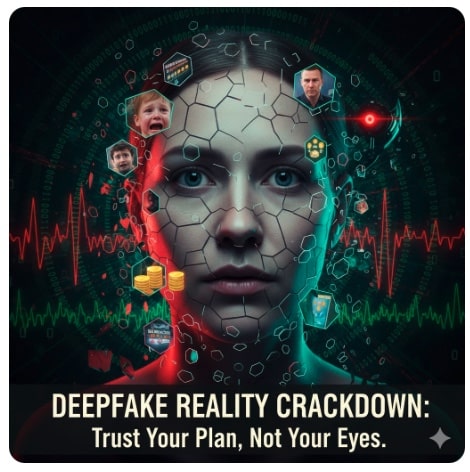
Imagine a famous YouTuber, grinning as they promote a new cash app. You might even click and start to download it, unaware that a deepfake video could even show your own face selling a product you never touched.
This is the new reality of fraud. It’s not a poorly written email anymore. It’s a deepfake: a seamless video or audio copy generated by AI.
Scammers use this power to impersonate anyone they need to—from a trusted celebrity to a high-ranking corporate executive.
Want to Get Paid for Playing Games on Your Phone?
I tested and compared the best reward apps and sites, so you don't waste time on the fake ones. See which ones actually pay, how low the cash-out minimums go, and which offers are worth your time.
- ✅ Low cash-outs, some from just $1
- ✅ PayPal, gift cards and more
- ✅ Games, surveys and simple tasks
- ✅ Honest tips to avoid tracking problems
Earnings aren't guaranteed and results vary. Treat it as a bonus for time you already spend on your phone.
To beat a deepfake, you need an iron-clad plan.
This guide cuts through the technical language to give you simple, essential rules to verify every urgent request, lock down your personal data, and protect your family from this dangerous new wave of AI crime.
The AI Scam Machine: How They Forge Your Trust
Scammers are using robust, affordable AI tools to make convincing ads in minutes. They take public videos and audio (from YouTube, social media, etc.) and use deepfake tech to:
- Swap Faces and Voices: They can put a celebrity’s face, like MrBeast or Elon Musk, onto an actor’s body, and use a cloned voice to make them say anything they want.
- Generate Fake Scenes: They create hyper-realistic scenes of people “winning” thousands of dollars from simple mobile games, complete with fake testimonials and tumbling stacks of cash.
The Goal: To quickly build trust using a famous or familiar face, convincing you that their app is a sure thing.
More Than Just Money Games
These deepfake videos aren’t just selling fake slot apps. They are also used to:
- Lure Families: Scammers have used deepfaked journalists to promote illegal gambling apps disguised as innocent children’s games on official app stores.
- Steal Data & ID: Deepfakes are used to bypass online security checks to create “ghost accounts” or used in romance scams to build trust before asking for money.
- Target Businesses: Hackers are using deepfake audio and video to impersonate a company CEO on a Zoom call, tricking finance teams into wiring millions of dollars.
The Ugly Numbers: Deepfake incidents are skyrocketing. The volume of deepfake files is projected to surge to 8 million in 2025. Financial losses from deepfake-enabled fraud have exceeded $200 million in North America in just the first quarter of 2025 alone.
The Real Cost: Ads, Identity Theft, and Wasted Hours
These apps aren’t a shortcut to wealth; they’re a vampire machine that drains you in three major ways:
- Ad Revenue (The Money Drain): Once you download, you’re hit with a barrage of unskippable video ads. Every time you watch an ad, the app developer pockets a few cents. By making the app look like a “free cash game,” they hook millions of users who are forced to watch scam bait just to “play,” racking up hundreds of thousands of dollars in ad revenue.
- Data Harvesting (The Identity Drain): That “claim your winnings” screen is a trap. It asks for your name, email, phone number, and sometimes even your bank details for “instant payout.” When you enter this info, you aren’t getting a jackpot—your personal information is being stolen and sold on the dark web for identity theft.
- Wasted Time (The Hope Drain): This is the cruelest theft. The app is rigged. It gives you small “wins” just to keep you clicking, watching ads, and chasing a massive payout that will never come. Every minute you spend playing is a minute the scammers win. You’ve spent hours grinding away, watching more than a hundred ads, only to realize the “cash out” button is permanently broken, the minimum payout is impossible to reach, or the game freezes the moment you “win” a big prize. They steal your hope and your precious time.
The Ultimate Anti-Deepfake Plan: Simple Steps to Stay Safe
Deepfakes are AI copies stealing more than just money—they steal your time and trust. This plan gives you an iron shield against them.
1. Verify Everyone and Everything
Rule: Assume every urgent or high-value request is a lie until you prove it is real.
- The Second-Channel Rule: If a “CEO” or a “friend” calls and asks for money, hang up immediately. Do not use their contact info from that call. Call them back on a pre-saved, known number or use a completely separate app (like a work email or a text) to verify. This stops the scammer from controlling both lines of communication.
- The Family Safe Word: Create a secret family password (like “Blue Whale” or “Mango”). If a loved one calls in distress (even if the voice sounds real), demand the safe word. If they cannot give it, it is a deepfake voice scam.
- Verify Celebrity Endorsements: See a famous person advertising a “cash app”? Stop. Google the star’s name + the app name right away. Check official websites and major news sources. If the endorsement only shows up in a weird online ad, it is a fake.
- Look for AI Flaws: Slow the video down on a larger screen. Look at the face closely. Deepfakes often struggle with details: blurry edges, missing eye blinks, unnatural head movement, or strange teeth.
2. Build Your Digital Security Wall
Rule: Limit the public data you share and lock down your access points.
- Always Use 2FA: Turn on Two-Factor Authentication (2FA) for your bank, email, and social media. This sends a code to your phone every time you log in. Even if a thief steals your password, they cannot get in without your phone. Use a separate authenticator app (like Google Authenticator) instead of text messages, which are easier for hackers to trick.
- Create a “Spam” Email: Never use your main email to sign up for online games, prizes, or new apps. Create a junk or “burner” email address. If that junk email is breached, your core identity and bank accounts remain protected.
- Make Social Media Private: Set your accounts to “Friends Only.” Scammers use your public posts and pictures to train AI to make deepfake videos of you or your family. Limit the data they can steal.
- Never Pay to Win: Legitimate games or sweepstakes will never ask you for your full bank account number, credit card number, or security codes to send you a prize. That is an identity theft trap.
3. Report Every Single Attempt
Rule: Your report helps law enforcement protect thousands of other people.
- Report to the FBI (IC3): If you lost money or gave personal details, file an official report with the FBI at ic3.gov. This is necessary for federal law enforcement to investigate the crime and track the criminal groups.
- Report to the FTC: File a consumer report with the Federal Trade Commission at ReportFraud.ftc.gov. The FTC collects these reports to identify large-scale scams and issue public warnings quickly.
- Flag the App or Video: Use the “Report” feature on the platform where you saw the scam (YouTube, Facebook, Google Play, etc.). Choose the reason “Fraud” or “Impersonation.” This is the fastest way to get the fake content deleted.
- Contact Your Bank: If you sent any money or shared your card number, call your bank immediately. They can stop the transaction, issue a new card, and flag your account against further theft.
Conclusion
The digital world has changed. What you see and hear can no longer be trusted at face value. But you are not helpless.
With this plan, you now hold the shield. Protect your family, secure your data, and guard your time.
The new rule is simple: Trust your plan, not your screens. Every scam you avoid, every deepfake you report, makes the internet a safer place for everyone. Be the wall.
Want to Get Paid for Playing Games on Your Phone?
I tested and compared the best reward apps and sites, so you don't waste time on the fake ones. See which ones actually pay, how low the cash-out minimums go, and which offers are worth your time.
- ✅ Low cash-outs, some from just $1
- ✅ PayPal, gift cards and more
- ✅ Games, surveys and simple tasks
- ✅ Honest tips to avoid tracking problems
Earnings aren't guaranteed and results vary. Treat it as a bonus for time you already spend on your phone.